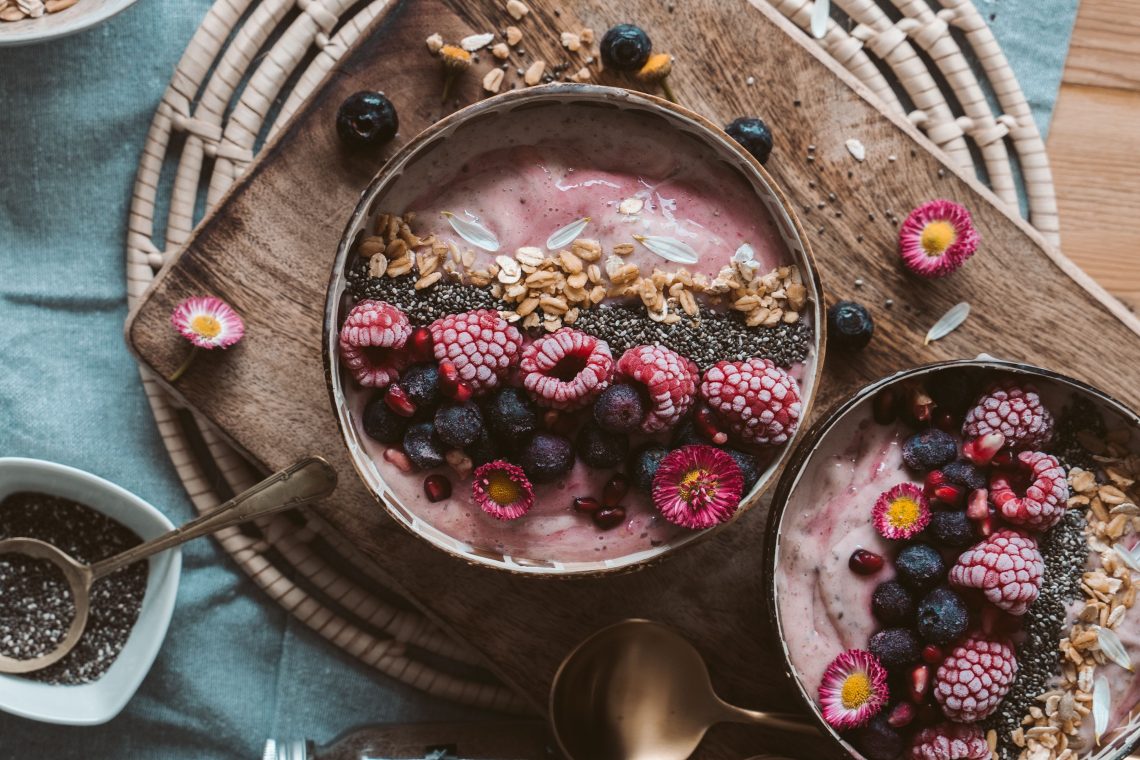
You’re standing in the kitchen at 7 am, minding your own business, making a smoothie when the heat arrives. Not the stove. Not the sun coming through the window. You. From the inside out, like someone quietly turned your internal thermostat to “surface of the sun” without asking. As it turns out, chia seeds reduce hot flashes, and those tiny specks you’ve been sprinkling on yogurt and forgetting about have been quietly waiting for you to pay attention.
Hot flashes are one of menopause’s most reliable party crashers, and if you’ve spent any time Googling your way through symptom relief, you’ve probably landed on every supplement, herb, and ancient grain the internet has to offer but the answer may have been sitting in your pantry the whole time.
What to Know Before You Read
- Can chia seeds reduce hot flashes? Research suggests they can — thanks to their unique combination of omega-3 fatty acids, magnesium, and lignans.
- Chia seeds are consistently ranked among the best foods for menopause because they address multiple symptoms at once, not just heat.
- You don’t need much — one to two tablespoons a day is enough to start seeing benefits.
- They work best as part of a broader dietary approach, not a standalone miracle cure.
- The surprise isn’t that they work. It’s how many ways they work.
So, How Do Chia Seeds Reduce Hot Flashes?
Let’s start with the basics. Chia seeds come from Salvia hispanica, a plant native to Central and South America, and they are nutritionally absurd in the best possible way. One ounce packs omega-3 fatty acids, fiber, calcium, magnesium, and lignans — a type of phytoestrogen — into something smaller than a pencil eraser.
During menopause, estrogen declines, and with it goes a lot of your body’s natural regulatory machinery. Your hypothalamus — the part of your brain that manages body temperature — becomes hypersensitive to tiny fluctuations in heat and responds by triggering a flash. The result: sudden flushing, sweating, and the urgent need to stand directly in front of an open refrigerator.
This is where chia seeds enter the chat.
The omega-3 fatty acids in chia seeds have well-documented anti-inflammatory properties, and inflammation is closely tied to the frequency and intensity of vasomotor symptoms. Meanwhile, magnesium — which chia seeds have in impressive amounts — plays a direct role in regulating body temperature and calming the nervous system. When researchers look at whether chia seeds reduce hot flashes, these two nutrients keep showing up as the active players.
The Lignan Factor (This Is the Surprising Part)
Here’s the thing most people don’t know: chia seeds contain lignans, plant compounds that act like a very gentle, mild form of estrogen in the body. They can bind to estrogen receptors and produce a softened hormonal effect — enough to take the edge off symptoms without the risks associated with synthetic hormones.
It’s not a one-to-one replacement for estrogen. Nothing is. But for women who can’t or don’t want to use hormone replacement therapy, or who are looking for additional dietary support, this matters. Lignans are part of why chia seeds reduce hot flashes rather than just generally improving your health metrics and leaving you still fanning yourself in meetings.
A study from Appalachian State University found that postmenopausal women who consumed about two tablespoons of milled chia seeds daily for seven weeks saw a 138% increase in blood ALA levels and a 30% increase in EPA levels, both forms of omega-3 that support cardiovascular and neurological health. These aren’t small numbers for something you can stir into oatmeal.
Why Chia Seeds Belong on the Best Foods for Menopause List
The reason chia seeds keep appearing on every best foods for menopause list isn’t just the omega-3s or the lignans — it’s the combination. Most foods do one thing well. Chia seeds show up for several symptoms at once.
Here’s the full roster of what they’re working on:
- Hot flashes and night sweats: Magnesium and omega-3s reduce the frequency and intensity of vasomotor symptoms.
- Sleep: Magnesium supports deeper, more restorative sleep, which matters enormously if night sweats have been wrecking yours.
- Bone density: Calcium and omega-3s help maintain bone mineral density as estrogen declines.
- Mood and brain fog: Omega-3 fatty acids are consistently linked to reduced depression and anxiety, both of which tend to spike during perimenopause.
- Digestive health: The fiber content — over 10 grams per ounce — supports gut health and stabilizes blood sugar, which helps manage energy crashes.
- Heart health: Declining estrogen levels increase cardiovascular risk, and the omega-3s in chia seeds directly support heart function.
That’s a lot of work for something that costs about four dollars at any grocery store.
How to Actually Use Them
The good news: chia seeds have virtually no flavor, which means they’ll disappear into almost anything without complaint.
Easy ways to get your daily dose:
- Stir one tablespoon into a morning smoothie
- Mix into oatmeal or yogurt and let it sit for a few minutes to thicken
- Make chia pudding the night before — two tablespoons of chia seeds in a cup of almond milk, refrigerate overnight, done
- Sprinkle on a salad or soup just before serving
- Add to a homemade energy ball or baked goods
Start with one tablespoon daily and work up to two. Some people experience bloating when they increase fiber intake all at once, and you’re not here for any additional discomfort.
Frequently Asked Questions
Chia seeds reduce hot flashes most effectively as part of a broader approach — think of them as a powerful supporting player, not a solo act. Pairing them with other anti-inflammatory foods, reducing alcohol and caffeine, and managing stress will amplify the results.
Most studies showing that chia seeds reduce hot flashes ran for six to eight weeks. Give it at least a month before you evaluate. Bodies are slow readers.
Chia seeds are generally safe, but because they can mildly affect blood sugar and blood pressure, it’s worth a quick check with your doctor if you’re on related medications.
Small Seed, Big Payoff
Can chia seeds reduce hot flashes? Yes, and they can do it while also supporting your sleep, your bones, your mood, and your heart. That’s nothing. That’s actually a lot. They won’t eliminate every symptom, and they’re not a substitute for medical care if your hot flashes are significantly affecting your quality of life. But as a daily addition to your diet — quiet, cheap, and requiring almost no effort — they’re hard to argue with.
Add them to your smoothie. Stir them into your yogurt. Make the pudding. Your hypothalamus has been working overtime, and two tablespoons of something good is the least dramatic thing you can do that might actually help.
Enjoyed this post? Remember, while we love sharing information and a few laughs along the way, nothing here replaces the real deal. Please seek professional and medical advice for any health concerns — you deserve personalized care.