You didn’t do anything different. You didn’t run a marathon, rearrange the furniture, or sleep in a weird position. You just got up from the couch — and your knees had opinions about it. Loud ones. Menopause joint pain is one of the most common and least talked-about symptoms of the hormonal transition, and if it’s crept onto your radar alongside the hot flashes and the sleep disruption, you are not imagining it. You are also not stuck with it. What you eat every day has a direct and meaningful impact on how much inflammation your joints are dealing with — and the right dietary shifts can make a surprising difference.
What to Know Before You Read
- Estrogen has natural anti-inflammatory properties, and when it declines during menopause, inflammation in the joints increases — often significantly.
- Menopause joint pain is driven by the same hormonal shift behind your other symptoms, not by injury or aging alone.
- Diet is one of the most powerful tools available for managing inflammation, and the research behind it is solid.
- The best anti-inflammatory foods work by reducing systemic inflammation, supporting cartilage, and helping regulate the immune response.
- You don’t need a complete dietary overhaul — strategic additions make a real difference.
Why Menopause Joint Pain Happens in the First Place
Estrogen does a lot of quiet, thankless work in the body, and one of its less-celebrated jobs is keeping inflammation in check. It regulates the immune response, protects cartilage, and helps maintain the synovial fluid that cushions your joints. When estrogen declines during perimenopause and menopause, that protection goes with it — and inflammation that was previously managed without fanfare starts making itself known in your knees, hips, fingers, and shoulders.
This isn’t arthritis, necessarily. It’s not an injury. It’s your body’s inflammatory response running a little hotter than it used to, in tissue that’s become more vulnerable to it. The result is the stiffness, achiness, and creaky-joint complaints that make you feel like you aged a decade overnight. Menopause joint pain tends to be worst in the morning and after periods of inactivity — and it responds well, sometimes remarkably well, to an anti-inflammatory diet.
The Best Foods for Menopause Joint Pain
Fatty Fish
Salmon, sardines, mackerel, and trout are among the most powerful allies you have against menopause joint pain. They’re loaded with omega-3 fatty acids — specifically EPA and DHA — which directly inhibit the inflammatory pathways that make joints stiff and achy. Multiple studies have shown that regular omega-3 consumption reduces joint tenderness and morning stiffness. Two to three servings of fatty fish per week is a reasonable and effective target.
Leafy Greens
Spinach, kale, Swiss chard, and arugula are rich in antioxidants, vitamin K, and magnesium — all of which support bone and joint health while fighting oxidative stress. Vitamin K in particular plays a direct role in bone metabolism and has been shown to reduce markers of inflammation. If leafy greens feel like a chore, a handful of spinach disappeared into a smoothie counts just as much as a salad.
Berries
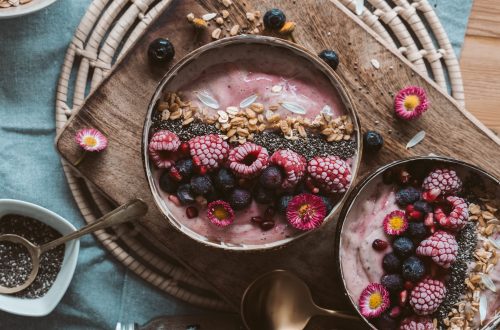
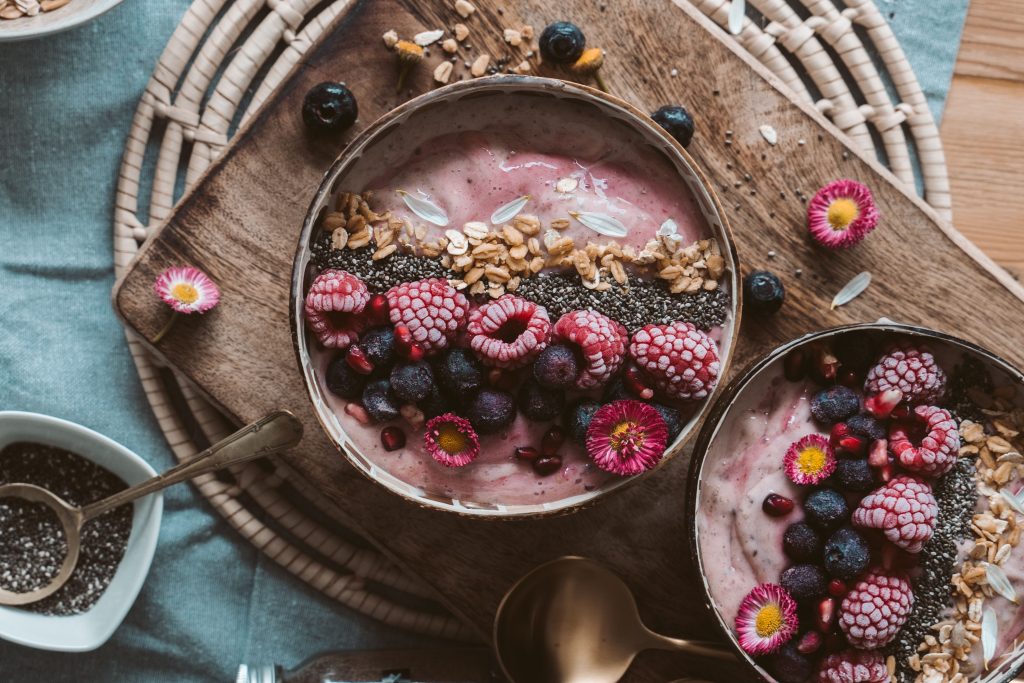
Blueberries, strawberries, raspberries, and cherries contain anthocyanins — the compounds responsible for their deep color — which are potent anti-inflammatory agents. Tart cherries in particular have been studied specifically for joint pain, with research showing they reduce levels of uric acid and inflammatory markers in the blood. A cup of mixed berries a day is an easy addition that your joints will feel over time.
Olive Oil
Extra virgin olive oil contains oleocanthal, a compound that works similarly to ibuprofen in the body — blocking the same inflammatory enzymes without the side effects of daily NSAID use. Swapping butter and refined oils for extra virgin olive oil is one of the simplest dietary upgrades you can make for menopause joint pain, and it pays dividends for your heart and brain as well.
Turmeric
Curcumin, the active compound in turmeric, is one of the most studied natural anti-inflammatories in existence. It suppresses multiple inflammatory pathways simultaneously, and research in menopausal women specifically has shown it can reduce joint pain and improve mobility. Pair it with black pepper — which contains piperine, a bioavailability booster — and cook it in fat to get the most out of it. A golden milk latte or a turmeric-forward curry counts.
Nuts and Seeds
Walnuts, flaxseeds, and chia seeds are excellent plant-based sources of omega-3 fatty acids. They’re also rich in magnesium, which helps regulate the inflammatory response and supports muscle function around the joints — making them a quiet but consistent weapon against menopause joint pain. A small handful of walnuts or a tablespoon of chia seeds stirred into yogurt takes approximately no effort and delivers real benefit.
Cruciferous Vegetables
Broccoli, cauliflower, Brussels sprouts, and cabbage contain sulforaphane, a compound shown to block enzymes linked to joint destruction. They’re also high in vitamin C, which is essential for collagen synthesis — and collagen is what your cartilage is made of. If your joints are going to rebuild and maintain themselves, they need the raw materials to do it.
What to Cut Back On
The other side of managing menopause joint pain through diet is reducing the foods that fan the inflammatory flames. Refined sugar, white flour, processed foods, alcohol, and seed oils high in omega-6 fatty acids all create an internal environment where inflammation thrives — quietly working against everything anti-inflammatory foods do. You don’t need to be perfect. But if your diet skews heavily toward processed foods, that imbalance is almost certainly showing up in your joints.
Building a Plate That Actually Helps
The most effective approach to eating for menopause joint pain isn’t a rigid meal plan — it’s a general shift toward more whole foods, more color, more omega-3s, and less processed everything. Think of it as adding rather than restricting. The displacement of less helpful foods tends to happen naturally when the good stuff takes up more room.
A few practical starting points:
- Breakfast: Greek yogurt with chia seeds and mixed berries
- Lunch: Big leafy green salad with walnuts, salmon, and olive oil dressing
- Dinner: Turmeric-roasted broccoli alongside any protein you already enjoy
- Snack: A small handful of mixed nuts and a few tart cherries
None of this requires a special grocery store or a lifestyle overhaul. It requires paying a little more attention to what’s already available and making choices that happen to be very, very good for your joints.
Your Joints Are Telling You Something
Menopause joint pain is real, it’s common, and it’s your body asking — loudly, from the direction of your knees — for a little more support. The inflammation driving it is not inevitable, and it is not something you simply have to manage around. It responds to what you eat, how consistently you eat it, and how willing you are to take the stiffness seriously as a symptom rather than a sentence. Start with one addition this week. Your knees are ready when you are.
Enjoyed this post? Remember, while we love sharing information and a few laughs along the way, nothing here replaces the real deal. Please seek professional medical advice for any health concerns — you deserve personalized care.